

Understanding BJJ Belt Rankings: White to Black Belt
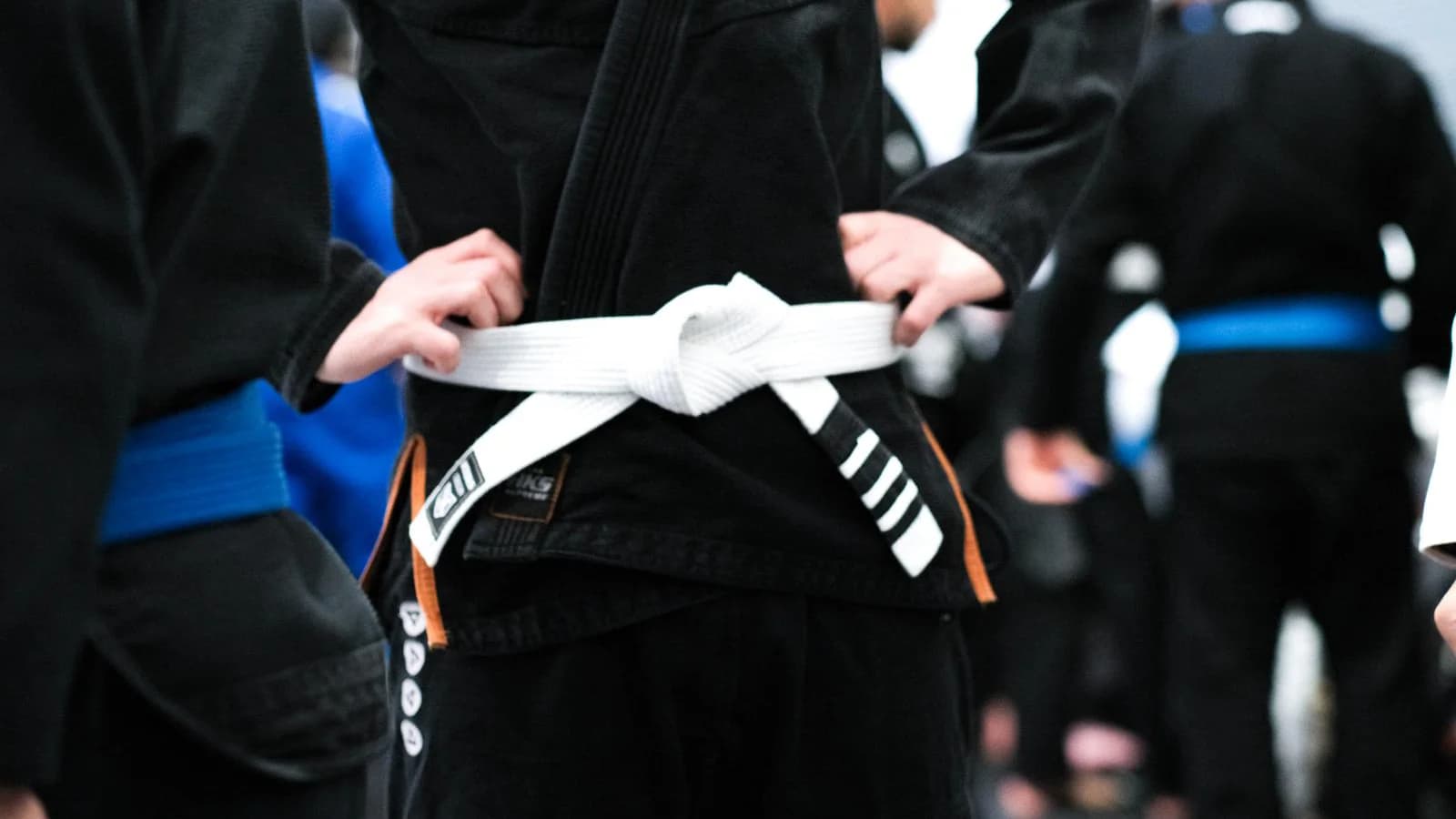
The BJJ belt system is one of the most respected ranking structures in all of martial arts. Unlike disciplines where black belts can be achieved in a few years, a BJJ black belt typically takes 10 to 15 years of dedicated training. This slow progression is part of what gives each belt its meaning. Here's what you need to know about the journey from white to black.
The Adult Belt Order
Adult BJJ (16 years and older) follows five belt ranks:
- White Belt
- Blue Belt
- Purple Belt
- Brown Belt
- Black Belt
Each belt (except black) can have up to four stripes, which serve as markers of progress between belt promotions. Beyond black belt, there are coral and red belt ranks, but these are reserved for practitioners with decades of contribution to the art.
White Belt: The Foundation
Every journey starts here. As a white belt, you're learning the fundamental positions, basic submissions, and essential movements of BJJ. The focus is on survival: learning to defend, escape bad positions, and understand the core concepts that everything else builds upon.
Key milestones at white belt:
- Understanding the major positions (guard, mount, side control, back)
- Basic submissions (armbar, triangle, rear naked choke)
- Fundamental escapes and sweeps
- Developing mat awareness and the habit of tapping early
Typical duration: 1-2 years. At Nakama BJJ, our fundamentals programme is designed to give white belts a solid technical foundation. If you're curious about starting, see what to expect at your first class.
Blue Belt: Building Your Game
The blue belt is where many practitioners say BJJ "really begins." You have a working understanding of the basics, and now you start developing your personal style — your "game." Some blue belts gravitate towards guard play, others prefer a pressure-based top game, and some begin specialising in particular submission chains.
Blue belt is also statistically where the most students drop out. The initial excitement of starting a new martial art fades, and the path to the next belt feels long. Those who push through this plateau develop a deeper relationship with the art.
Typical duration: 2-3 years at blue belt before promotion to purple.
Purple Belt: The Creative Phase
Purple belts are dangerous. They've internalised the fundamentals so thoroughly that they can focus on creativity, flowing between techniques and positions with a fluidity that wasn't possible at earlier ranks. Many purple belts begin developing unique techniques or combinations that become hallmarks of their individual style.
At purple belt, you're also expected to start giving back to the community. Helping lower belts, sharing knowledge, and contributing to the gym's culture become part of the journey. This is often when the shift from "student" to "student-teacher" begins.
Typical duration: 2-3 years at purple belt.
Brown Belt: Refining and Polishing
The brown belt is the refinement phase. By now, you know a vast amount of technique — the challenge is sharpening what you already know, eliminating weaknesses, and developing the consistency that separates good from great. Brown belts often describe this phase as "polishing" their game rather than adding to it.
Brown belts are typically highly capable instructors, and many take on formal teaching roles within their gyms. The depth of understanding required at this level gives brown belts an ability to troubleshoot problems and explain concepts that earlier belts haven't yet developed.
Typical duration: 1-2 years at brown belt.
Black Belt: The Beginning
There's a famous saying in BJJ: "A black belt is a white belt who never quit." Earning a black belt represents mastery of the fundamentals and a deep, comprehensive understanding of the art. But many black belts describe their promotion not as the end of the journey, but as the real beginning — the point at which they can finally focus on truly understanding the art at its deepest levels.
Total journey: Most practitioners take 10-15 years to earn a black belt with consistent training.
Black belts can earn degrees (up to six), and beyond that, the coral belt (seventh and eighth degree) and red belt (ninth and tenth degree) recognise a lifetime of dedication to BJJ.
The Kids' Belt System
Children (under 16) have a separate belt system with more intermediate colours — white, grey, yellow, orange, and green — each with variations. This extended system allows for more frequent promotions, keeping young practitioners motivated while maintaining meaningful standards. At 16, kids' belts convert to the appropriate adult rank.
What Determines Promotion?
Promotion criteria vary between gyms and coaches, but generally consider:
- Technical knowledge: Can you demonstrate the techniques expected at your current level?
- Sparring ability: Can you apply techniques against resisting opponents?
- Consistency: Are you training regularly and showing dedication?
- Attitude: Are you a positive training partner and contributor to the gym community?
- Time at current rank: The IBJJF sets minimum time requirements between belts.
Start Your Belt Journey
Every black belt's journey began with a single class as a white belt. If you're in Melbourne and ready to start yours, get in touch with us at Nakama BJJ in Keilor East. We offer a free trial class so you can experience the mats and see our training schedule — no belt required, just willingness to begin.
Ready to Start Your Martial Arts Journey?
Experience world-class BJJ, Muay Thai, and wrestling coaching at Nakama BJJ in Keilor East, Melbourne. Your first class is free — no experience necessary.
Book Your Free TrialRelated Articles
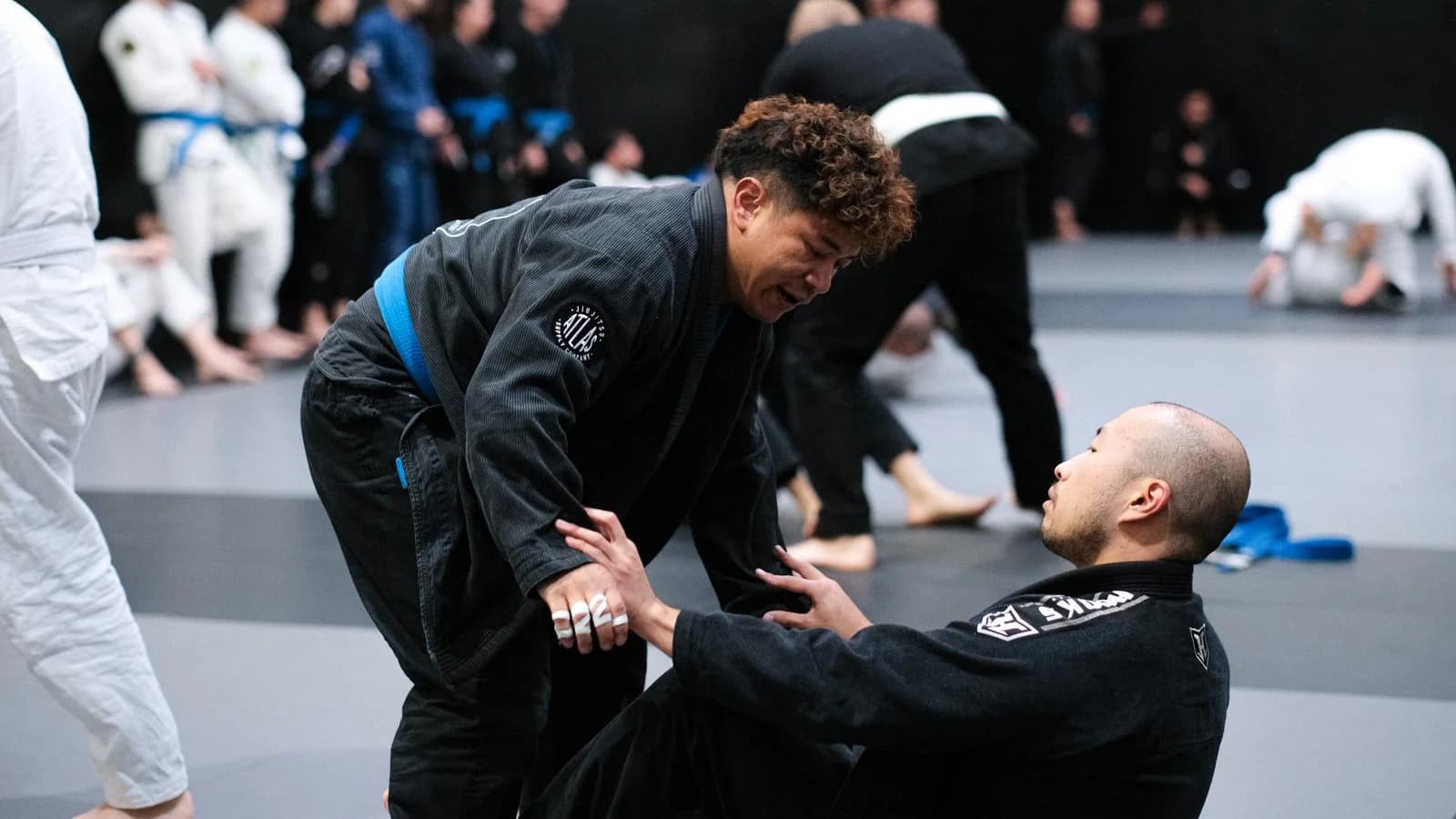
Nervous about your first Brazilian Jiu Jitsu class? Here's everything you need to know before stepping on the mats at a Melbourne BJJ gym.
22 September 2025
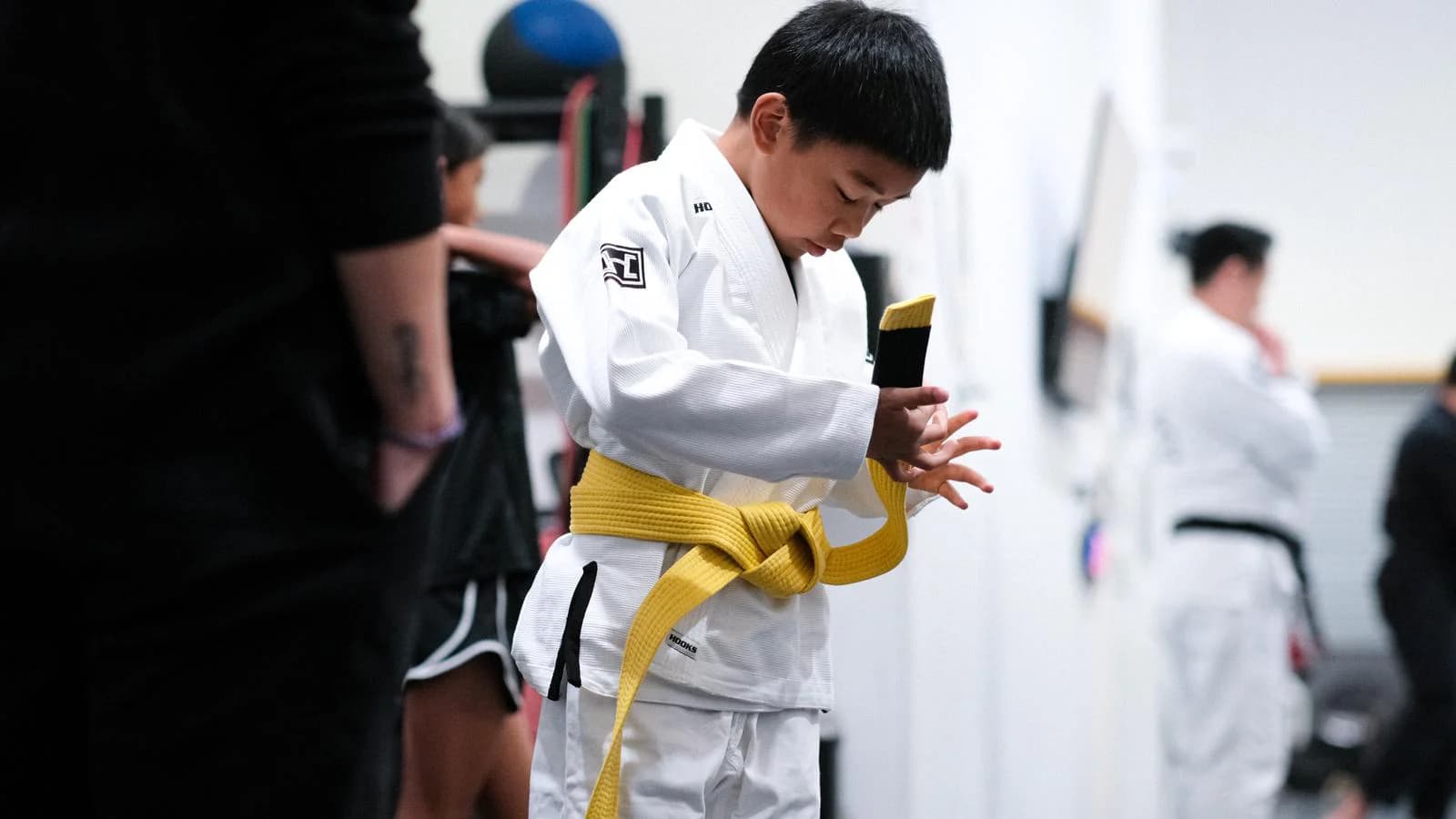
Discover how BJJ helps children build confidence, discipline, and fitness. Learn why Brazilian Jiu Jitsu is one of the best martial arts for kids in Melbourne.
7 October 2025
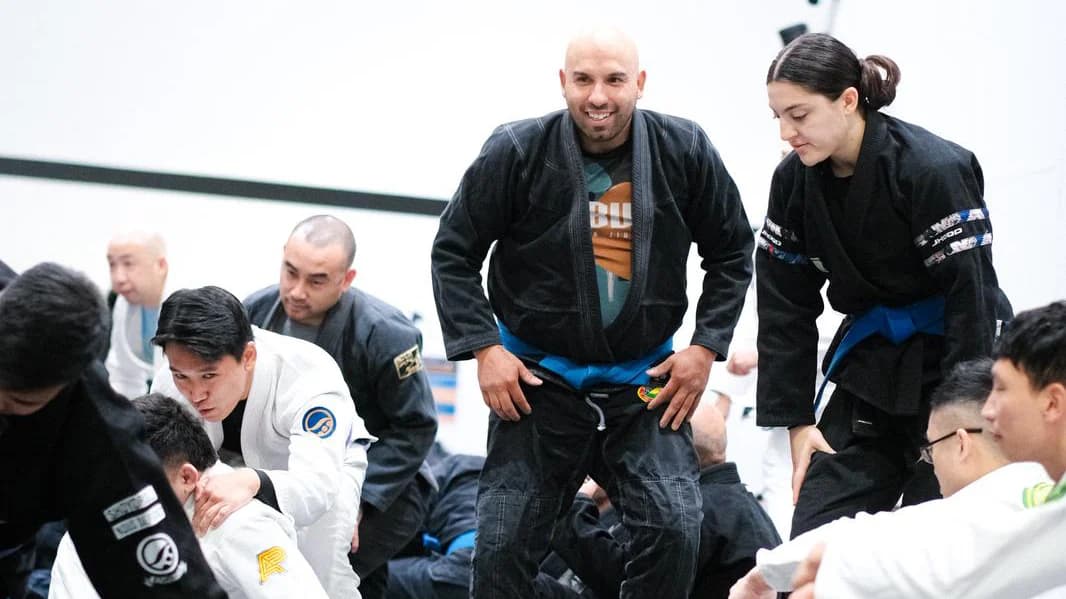
Not all martial arts gyms are equal. Here's what to look for when choosing a BJJ, Muay Thai, or wrestling gym in Melbourne — from coaching quality to culture.
21 January 2026