

BJJ vs Muay Thai: Which Martial Art Is Right for You?
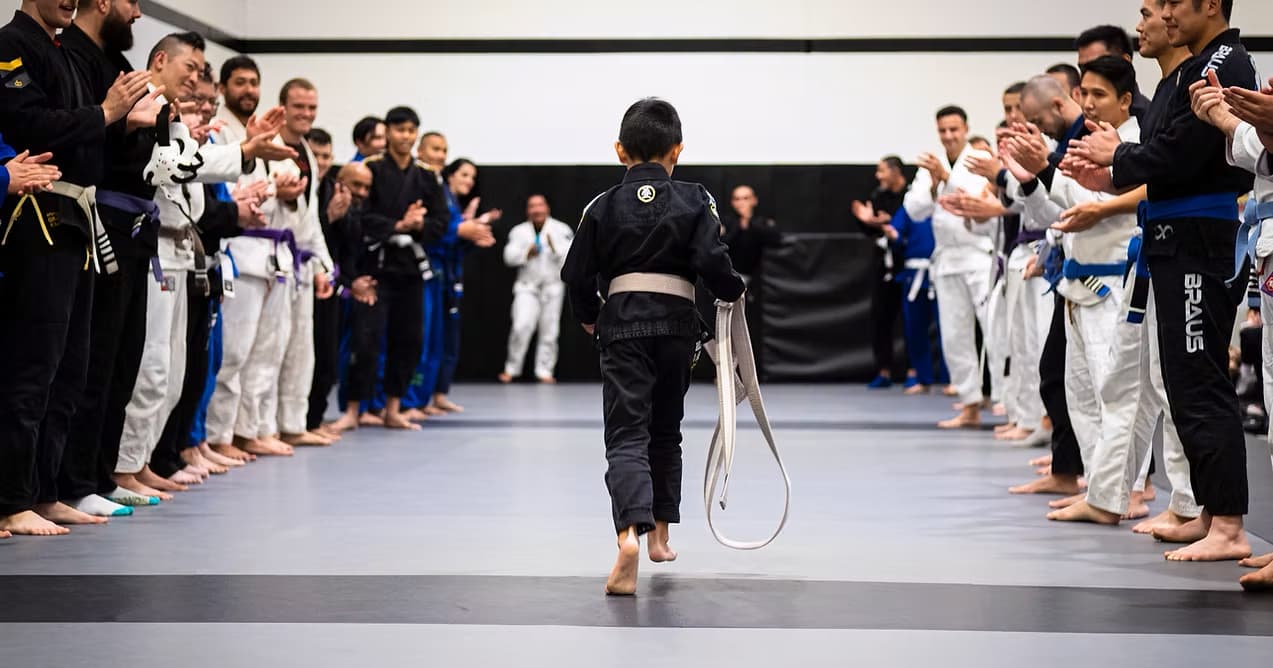
If you're looking to start training martial arts in Melbourne, two disciplines consistently top the list: Brazilian Jiu Jitsu (BJJ) and Muay Thai. Both are highly effective, both offer incredible fitness benefits, and both are taught at Nakama BJJ in Keilor East. But they're fundamentally different in approach. Here's a honest comparison to help you decide which might suit you better — or whether you should try both.
The Fundamental Difference
The simplest distinction is this: Muay Thai is a striking art; BJJ is a grappling art.
Muay Thai, known as "The Art of Eight Limbs," uses punches, kicks, elbows, and knee strikes. It's a stand-up fighting style that originated in Thailand and is widely regarded as the most effective striking martial art in the world.
BJJ, by contrast, takes place primarily on the ground. It focuses on takedowns, positional control, and submissions — joint locks and chokes that allow a smaller person to control and defeat a larger opponent through technique and leverage.
Fitness and Body Conditioning
Muay Thai is an exceptional cardiovascular workout. Pad rounds, bag work, and sparring elevate your heart rate rapidly and sustain it. You'll develop explosive power in your hips and legs, improve hand-eye coordination, and build lean muscle. The calorie burn in a Muay Thai session is hard to beat.
BJJ offers a different kind of conditioning. Rolling (sparring) develops cardiovascular endurance, but it also builds isometric strength, grip endurance, and core stability in ways that striking arts don't. Many practitioners describe it as one of the most physically demanding activities they've ever tried, despite the fact that there's no running or jumping involved.
Both arts will get you fit, but in different ways. Muay Thai leans more towards explosive power and cardio; BJJ develops functional strength, flexibility, and body awareness.
Self-Defence Applications
Both martial arts have strong self-defence credentials, but they cover different scenarios:
- Muay Thai excels at maintaining distance and finishing confrontations quickly with strikes. It teaches you to read an attacker's body language and respond with decisive action.
- BJJ excels when a confrontation goes to the ground — which statistics show happens in the majority of real-world altercations. It teaches you to control an aggressor without necessarily causing serious injury, which can be important from a legal perspective.
For well-rounded self-defence, training both is ideal. But if you had to choose one, consider the situations you're most likely to encounter and which approach feels more natural to you.
Injury Risk and Longevity
Muay Thai involves impact. Even with protective gear, you'll accumulate minor bumps and bruises from sparring. Shin conditioning is part of the process. That said, a good gym will match you with appropriate sparring partners and control the intensity.
BJJ has less impact trauma but carries its own injury risks — primarily to joints (fingers, knees, shoulders) and the occasional muscle strain from scrambles. The "tap early" culture in BJJ is designed to minimise injury risk, and many practitioners train well into their 50s and 60s.
Both arts can be trained safely with good coaching and sensible training partners. Neither requires you to "fight" before you're ready.
The Learning Curve
Muay Thai can feel more intuitive at the start. The basic movements — a jab, a cross, a round kick — are relatively straightforward to learn, even if mastering them takes years. Beginners often feel they're "doing something" from day one.
BJJ has a steeper initial learning curve. The positions and movements are unlike anything most people have experienced, and it's common to feel completely lost during your first few weeks. However, many people find this complexity addictive — there's always a new problem to solve, a new technique to explore.
Competition
Both arts have thriving competition scenes. Muay Thai bouts are exciting stand-up affairs with clear scoring. BJJ competitions range from local events to international championships, with matches won by submission, points, or advantages. Neither requires you to compete — plenty of people train purely for fitness, self-defence, and enjoyment.
Personality and Preference
Here's an honest generalisation:
- If you enjoy high-energy, fast-paced workouts and like the idea of learning to strike effectively, Muay Thai may be your match.
- If you enjoy puzzles, strategy, and close-range problem-solving, and you're comfortable with close physical contact, BJJ might be more your style.
- If you want the most complete martial arts skill set, train both.
Why Not Both?
At Nakama BJJ, we offer both BJJ and Muay Thai programmes, along with wrestling. Many of our members cross-train in multiple disciplines, and our timetable is designed to make that practical. There's no rule saying you have to pick one.
The best martial art is the one you'll actually show up to train. Book a free trial and experience both for yourself — you might surprise yourself with which one clicks.
Ready to Start Your Martial Arts Journey?
Experience world-class BJJ, Muay Thai, and wrestling coaching at Nakama BJJ in Keilor East, Melbourne. Your first class is free — no experience necessary.
Book Your Free TrialRelated Articles
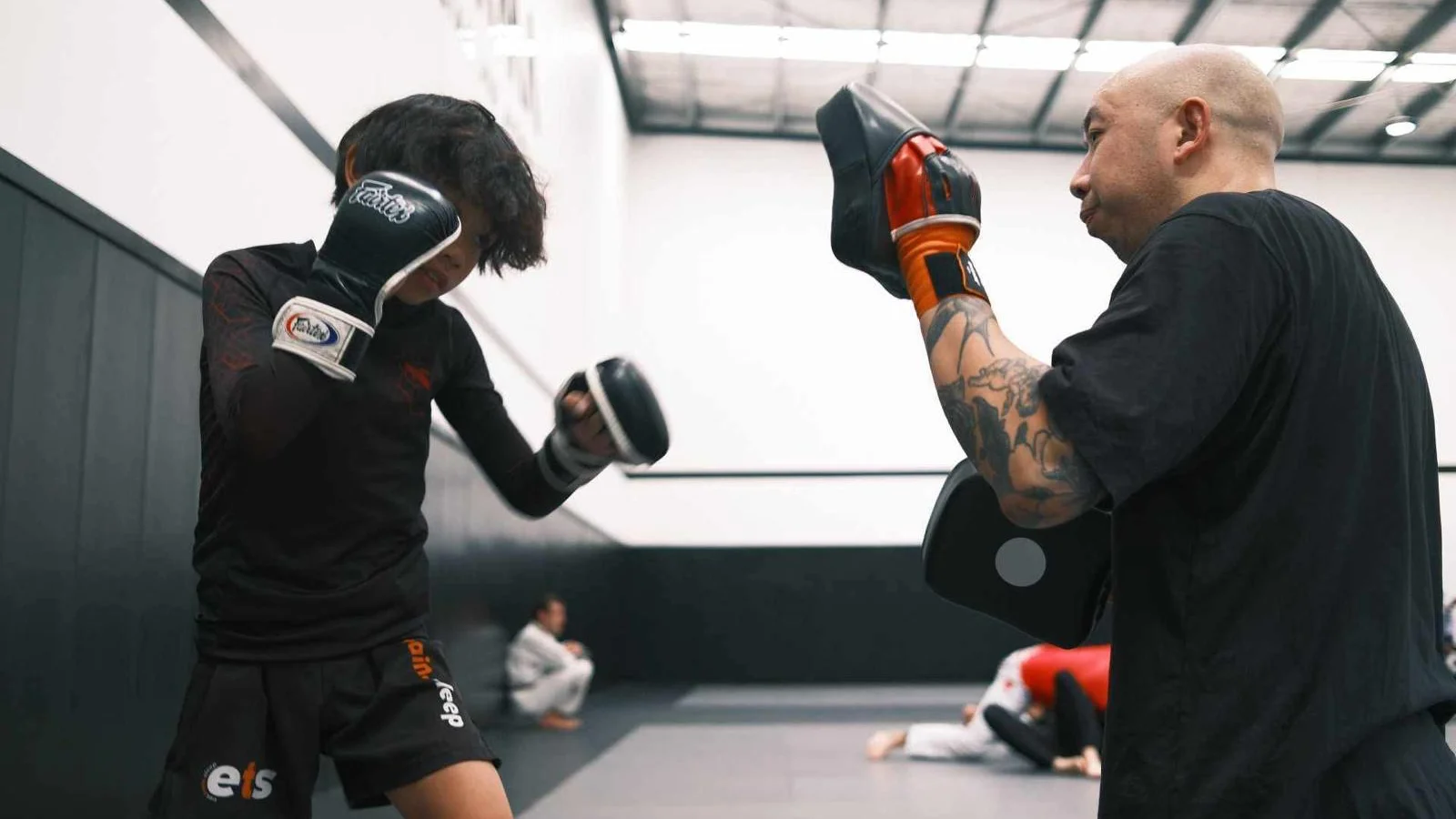
Everything you need to know about starting Muay Thai in Melbourne. From gear to techniques, this guide covers the basics for complete beginners.
17 December 2025
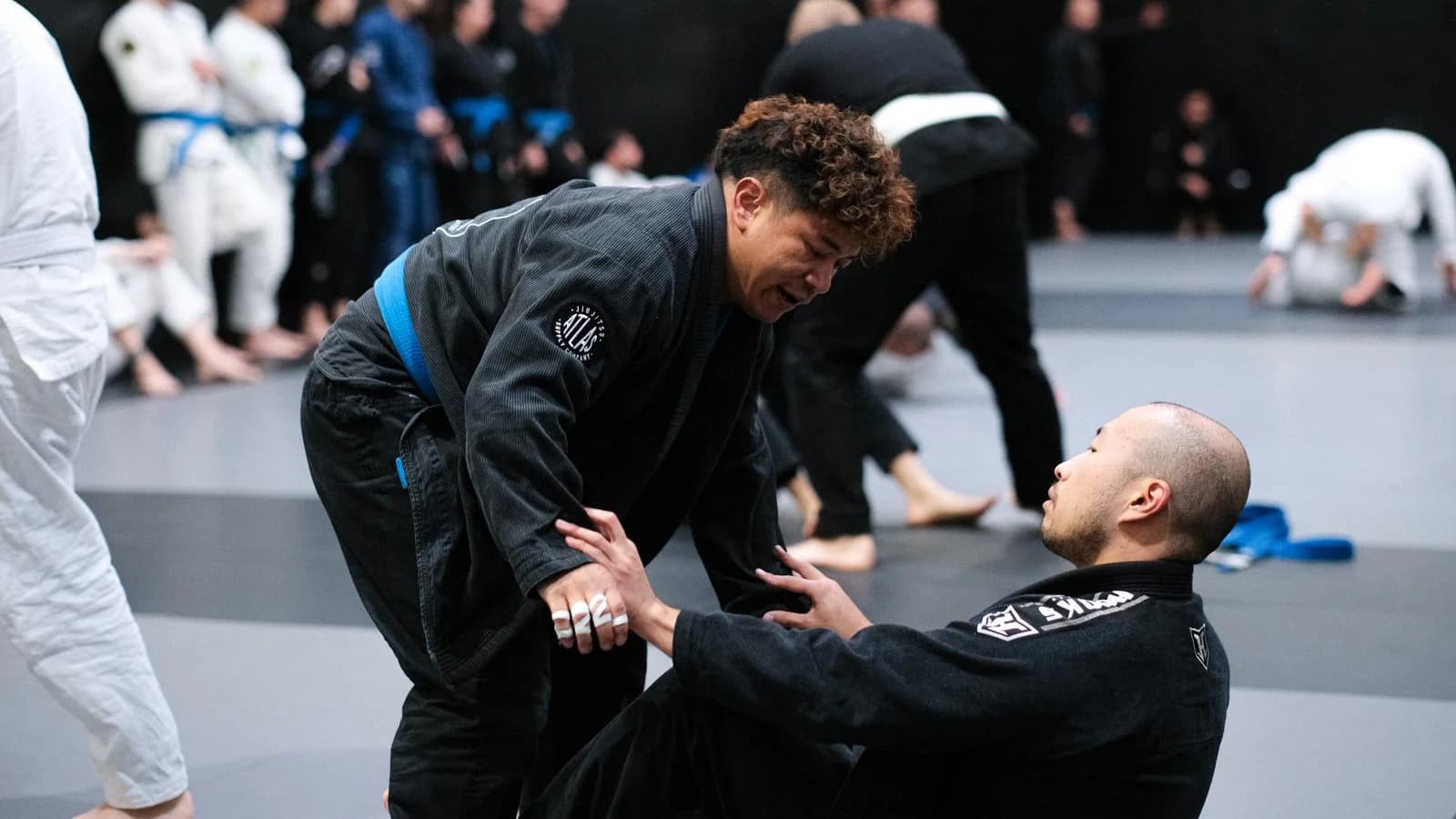
Nervous about your first Brazilian Jiu Jitsu class? Here's everything you need to know before stepping on the mats at a Melbourne BJJ gym.
22 September 2025
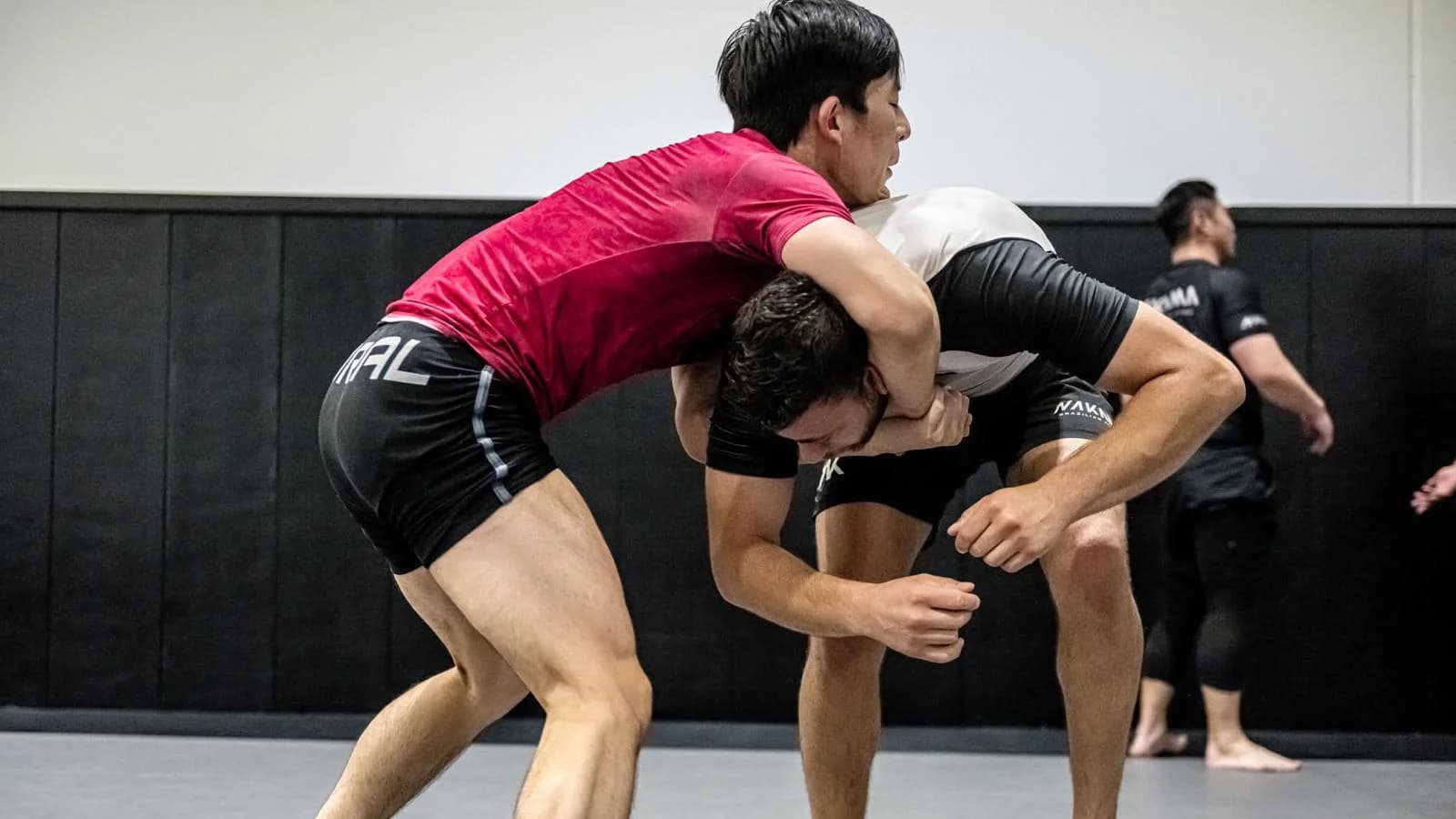
Explore why wrestling is considered the ultimate foundation for mixed martial arts and self-defence. Learn how wrestling training complements BJJ and Muay Thai.
6 January 2026