

Am I Too Unfit to Start Martial Arts?
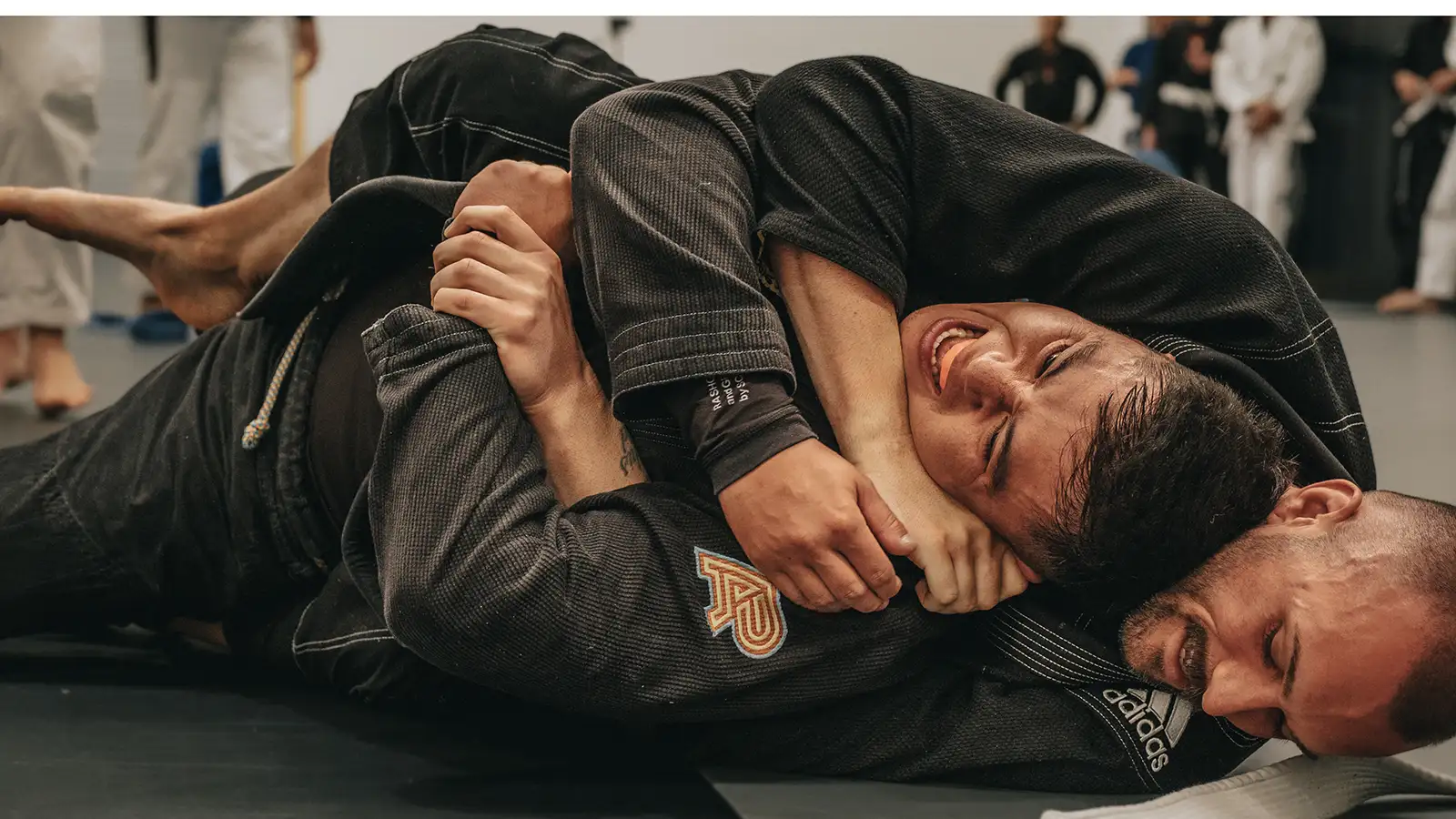
"I want to get fit before I start." It's the single most common thing we hear from people enquiring about martial arts training. And it's completely understandable — the idea of walking into a gym full of experienced martial artists when you're out of shape feels intimidating. But here's the truth: you don't need to be fit to start martial arts. Martial arts is how you get fit.
The Fitness Paradox
Saying you need to get fit before starting martial arts is like saying you need to learn French before booking a trip to Paris. The whole point of going is to learn. Every single person on the mats — from white belts to black belts — started somewhere. Many of them started exactly where you are now: out of breath, unsure of their body, and wondering if they belonged.
The truth is that gym fitness and martial arts fitness are different things entirely. You could run ten kilometres and still gas out in your first five-minute BJJ round. The specific demands of grappling, striking, and wrestling can only be developed through actual training. No amount of treadmill preparation will replicate the feeling of trying to escape from under someone in side control.
What Actually Happens in Your First Class
Here's something that might ease your mind: your first class isn't a fitness test. At Nakama BJJ in Keilor East, beginners follow the same class structure as everyone else, but they're expected to work at their own pace. If you need to sit out a round, you sit out. If you need extra water breaks, take them. No one is judging you.
A typical beginner-friendly class includes:
- A warm-up that gets progressively easier as your body adapts over the first few weeks
- Technique instruction where the physical demand is low — you're learning movements at a controlled pace
- Partner drilling where you practise techniques with a cooperative partner
- Optional sparring that beginners can sit out until they feel ready
Most of the session is skill-based learning, not cardio torture. The fitness develops as a natural byproduct of consistent training.
How Your Body Adapts
The human body is remarkably good at adapting to new demands. Here's a rough timeline of what most beginners experience:
Weeks 1-2: Everything is hard. You'll be sore in muscles you didn't know existed. Your grip gives out, your cardio fails, and you feel uncoordinated. This is completely normal.
Weeks 3-4: The acute soreness fades. You start recovering faster between sessions. The warm-up that destroyed you on day one starts to feel manageable.
Months 2-3: Your body starts to move with more efficiency. You're less tense, which means you use less energy. Your cardio has improved noticeably, and you can train for longer without needing breaks.
Months 4-6: People outside the gym start commenting on your fitness. You've lost weight, gained muscle tone, and your general energy levels have increased. You're now fitter than you were when you thought you needed to "get fit first."
Why Martial Arts Fitness Sticks
The reason martial arts gets people fit when traditional gyms often fail is simple: engagement. Running on a treadmill requires willpower. Drilling an armbar with a training partner requires focus. When your brain is occupied with learning a skill, solving a problem, or navigating a sparring round, the physical effort becomes secondary. You don't think about how tired you are — you think about the technique.
This is why martial arts practitioners tend to train consistently for years, while the average gym membership is abandoned within three months. The training itself is the reward, and the fitness comes along for the ride.
Real Fitness You Can Use
Martial arts develops functional fitness that translates directly to everyday life:
- Cardiovascular endurance: The interval-style intensity of sparring and drilling builds a strong heart and lungs.
- Full-body strength: Grappling and striking use every muscle group, developing balanced, practical strength.
- Flexibility and mobility: The movements required in BJJ and wrestling naturally improve your range of motion over time.
- Core stability: Every martial art demands core engagement, building the deep stabilising muscles that protect your back and improve posture.
- Grip strength: BJJ and wrestling develop grip strength extensively — one of the strongest predictors of overall health and longevity.
What Our Coaches Want You to Know
Our coaching team at Nakama BJJ has welcomed hundreds of beginners through the door. Some were former athletes. Many were completely sedentary. Some hadn't exercised in years. The common thread? Every single one of them was nervous about their fitness level. And every single one of them improved rapidly once they started training consistently.
Good coaches don't expect beginners to be fit. They expect beginners to show up, try their best, and trust the process. That's it. The fitness takes care of itself.
Stop Waiting, Start Training
Every week you spend "getting fit" on the treadmill is a week you could have spent learning actual skills while getting fit at the same time. The best shape of your life is on the other side of walking through the door.
At Nakama BJJ in Keilor East, Melbourne, we offer BJJ, Muay Thai, and wrestling classes designed for all fitness levels. Check our class timetable to find a session that works for you, and book a free trial class to see for yourself. Come as you are — that's always been good enough.
Ready to Start Your Martial Arts Journey?
Experience world-class BJJ, Muay Thai, and wrestling coaching at Nakama BJJ in Keilor East, Melbourne. Your first class is free — no experience necessary.
Book Your Free TrialRelated Articles
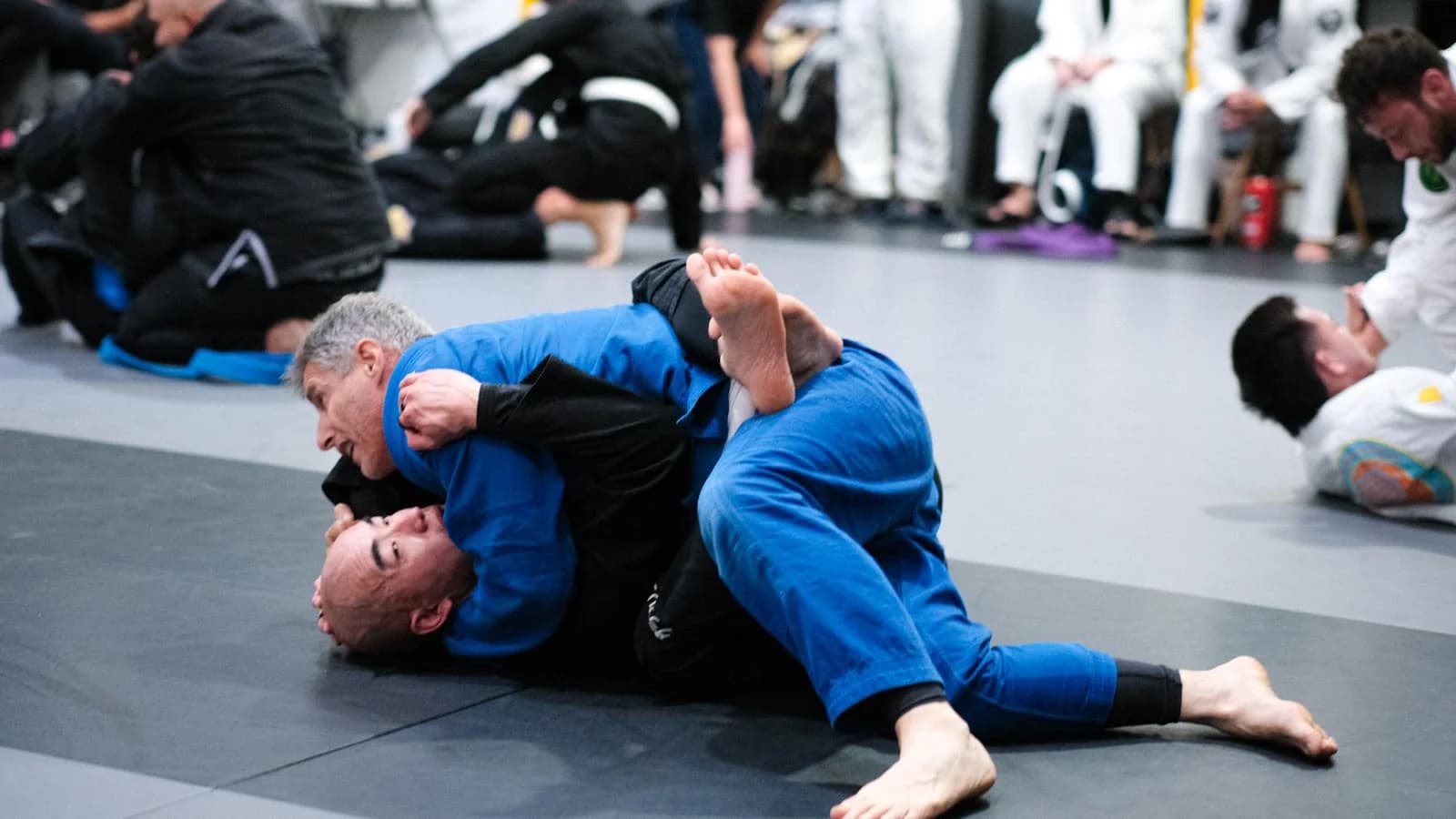
Think you're too old to start martial arts? Discover why your 30s, 40s, and beyond are the perfect time to begin training BJJ, Muay Thai, or wrestling.
4 February 2026
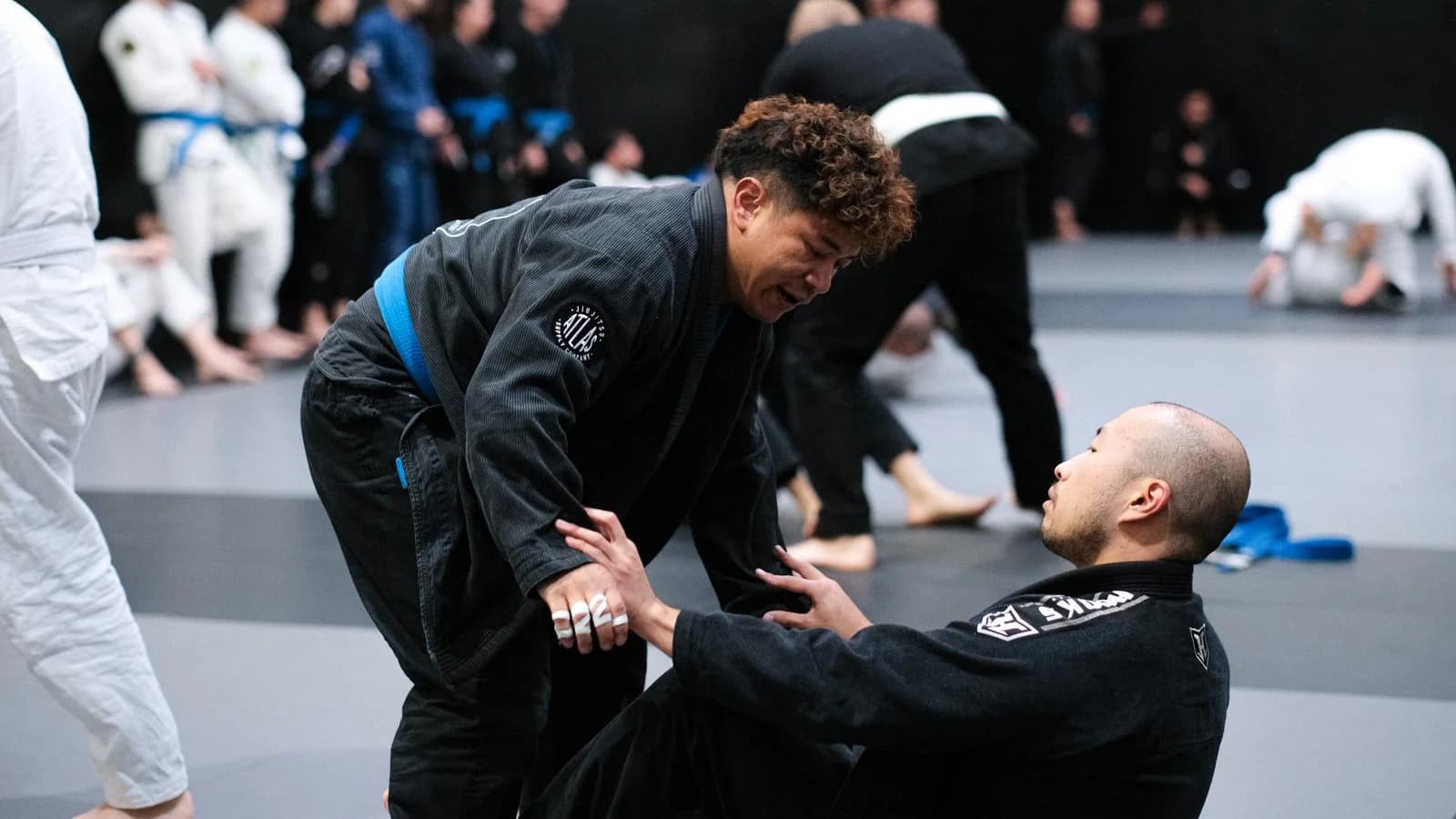
Nervous about your first Brazilian Jiu Jitsu class? Here's everything you need to know before stepping on the mats at a Melbourne BJJ gym.
22 September 2025