

How BJJ Builds Confidence in Children
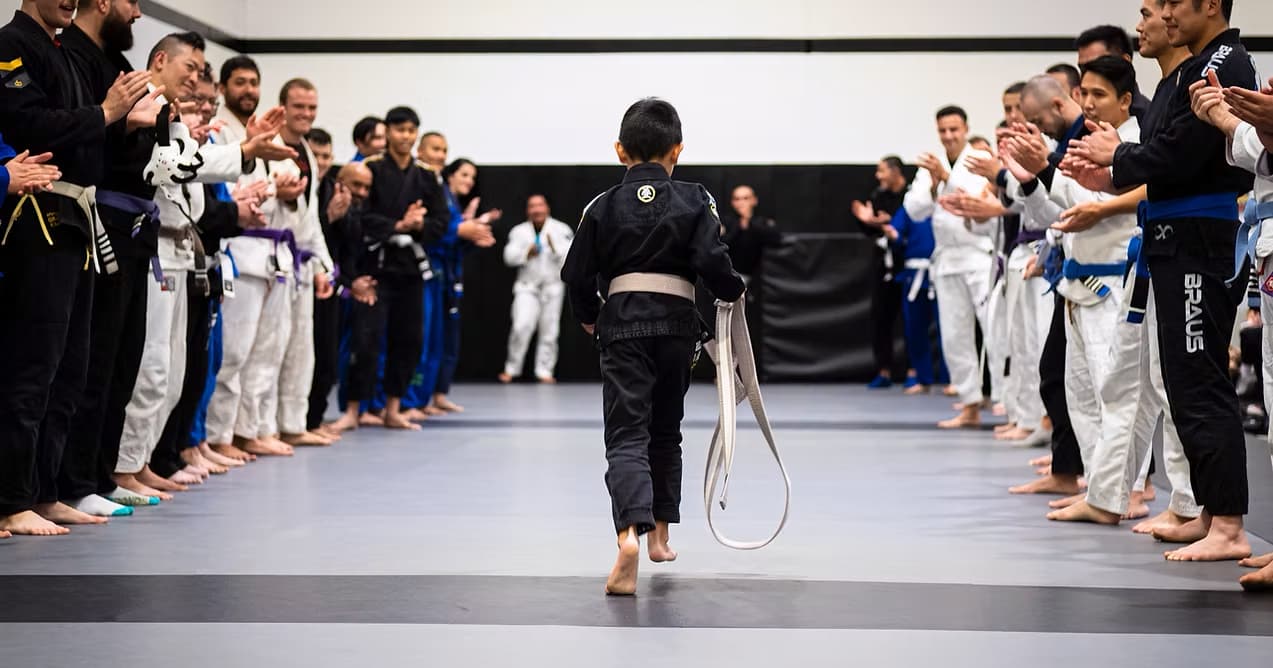
Confidence in children isn't something that appears overnight. It's built through experience — through trying, failing, adjusting, and eventually succeeding. Brazilian Jiu Jitsu provides a structured environment where this process happens naturally, repeatedly, and in a way that creates lasting self-belief rather than fragile bravado.
Earned Confidence vs. Empty Praise
There's a crucial difference between telling a child "you're amazing" and a child genuinely feeling capable because they've worked hard to achieve something difficult. BJJ provides the second kind of confidence — the kind that sticks.
When a child successfully executes a technique they've been drilling for weeks, or earns a stripe on their belt after months of consistent training, that accomplishment is real. No one handed it to them. They did the work, overcame the frustration, and got there through their own effort. This type of achievement-based confidence transfers to every other area of life.
The Safety of Controlled Struggle
BJJ is unique among children's activities because it involves controlled physical challenge. Kids learn to be comfortable in uncomfortable positions — being pinned, being squeezed, having someone on top of them — and they learn they can work their way out. This physical resilience builds psychological resilience.
The key word is "controlled." In a well-run kids' programme like the one at Nakama BJJ, the environment is safe and supervised. Children learn to manage discomfort while knowing that their coach and training partners are looking out for them. This balance of challenge and safety is what makes the confidence-building so effective.
Learning to Lose Gracefully
In BJJ, every child taps out. Every child gets swept, passed, and submitted — regardless of how talented they are. This is one of the art's greatest gifts to young people: it normalises setback.
Children who train BJJ develop a healthier relationship with failure than many of their peers. They learn that losing a roll isn't the end of the world; it's information. "I got caught with that choke because I left my neck exposed" becomes a lesson, not a crisis. Over time, this perspective becomes habitual, and children approach challenges in school and social life with the same problem-solving attitude.
Physical Capability Builds Self-Image
Children who feel physically capable tend to feel more confident overall. BJJ develops strength, coordination, balance, and body awareness in a way that makes children feel at home in their own bodies. For kids who aren't naturally drawn to traditional sports, this can be transformative.
We regularly see children arrive at our gym feeling uncoordinated or unsure of themselves physically, and within a few months, they're moving with a confidence and fluidity that surprises their parents. The coaching team works with each child individually, meeting them where they are and building them up progressively.
The Belt System as a Confidence Framework
BJJ's belt and stripe system provides a clear, visible framework for progress. For children, this tangibility is important. They can see and feel their advancement — literally, in the colour of their belt. Each promotion comes after demonstrated improvement, which reinforces the connection between effort and reward.
Importantly, promotions in BJJ aren't participation trophies. Children know that the stripe on their belt means something because they earned it through consistent attendance, improved technique, and the right attitude. This gives each milestone genuine emotional weight.
Social Confidence Through Training Partners
BJJ training requires close physical cooperation with other children. For shy or socially anxious kids, this structured physical interaction can be a gateway to broader social confidence. The shared experience of training creates bonds that often extend into friendships outside the gym.
Kids learn to work with partners of different sizes, ages, and skill levels. They learn to communicate, to respect boundaries, and to support each other through challenges. These interpersonal skills, developed in the context of training, naturally carry over into school and social settings.
The Anti-Bullying Effect
One of the most frequently reported benefits from parents is the change in how their child handles bullying situations. Not through aggression — but through confidence. Children who know they can defend themselves carry themselves differently. They make eye contact, speak clearly, and don't project the vulnerability that bullies often target.
In the rare cases where physical self-defence is necessary, BJJ gives children the tools to control a situation without resorting to strikes. They can hold, pin, or restrain — techniques that protect both themselves and the other child.
Start Building Your Child's Confidence
If your child could benefit from greater self-confidence — whether they're shy, anxious, or simply looking for a challenge — kids' BJJ in Melbourne is worth exploring. At Nakama BJJ in Keilor East, our children's programme is designed to develop confidence through genuine achievement in a supportive, structured environment. Check our class schedule and book a free trial to see the difference BJJ can make.
Ready to Start Your Martial Arts Journey?
Experience world-class BJJ, Muay Thai, and wrestling coaching at Nakama BJJ in Keilor East, Melbourne. Your first class is free — no experience necessary.
Book Your Free TrialRelated Articles
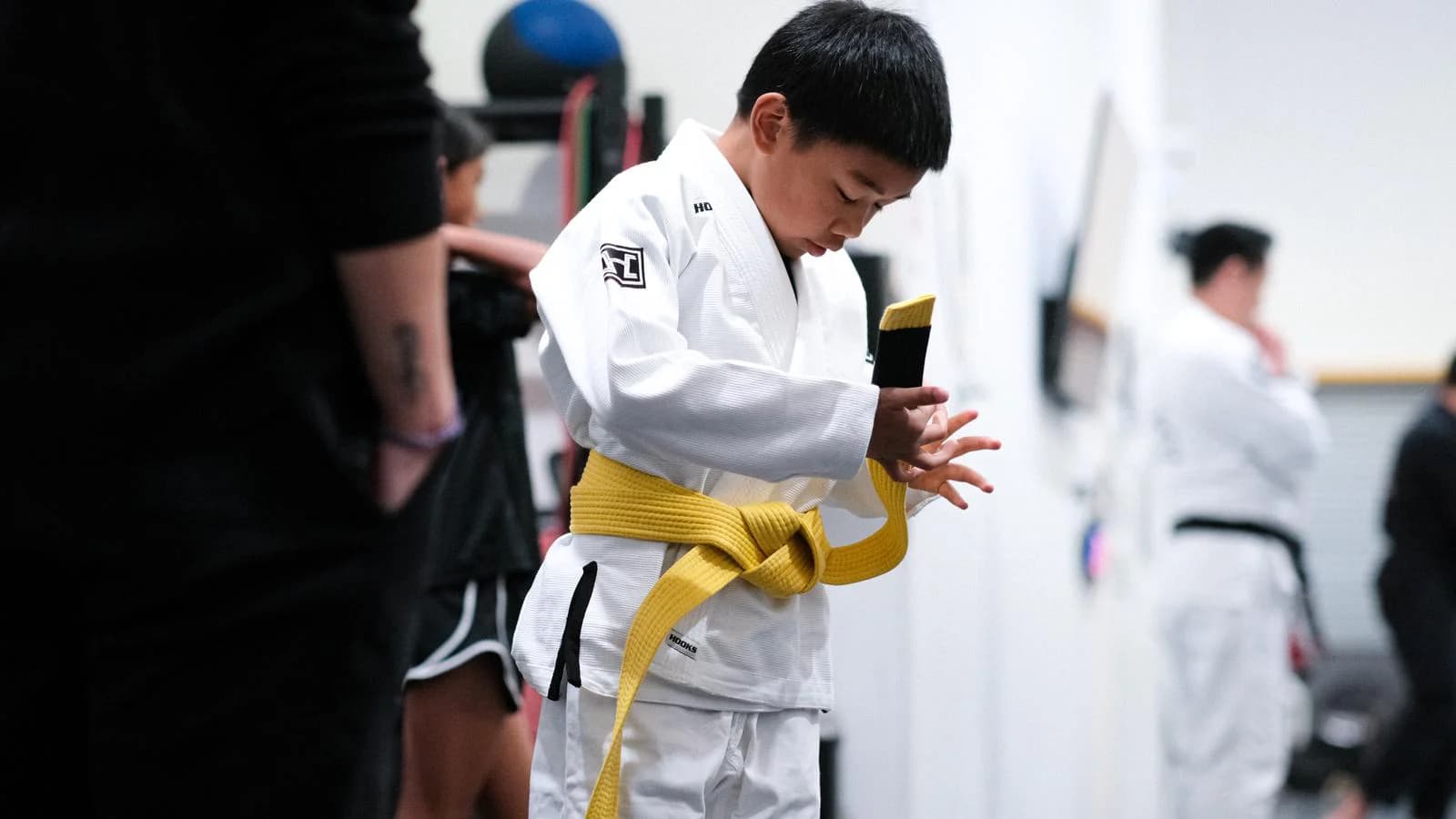
Discover how BJJ helps children build confidence, discipline, and fitness. Learn why Brazilian Jiu Jitsu is one of the best martial arts for kids in Melbourne.
7 October 2025
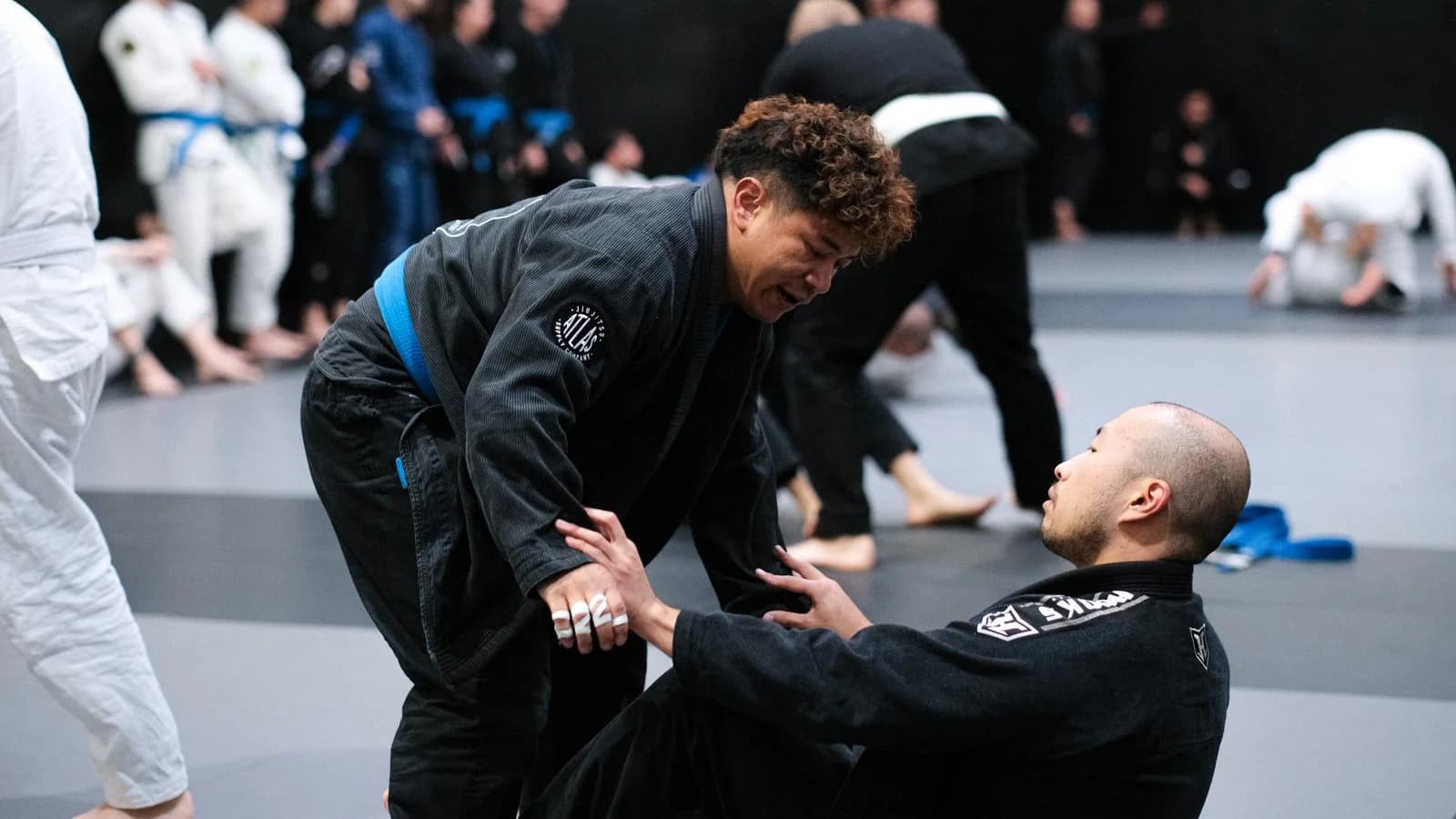
Nervous about your first Brazilian Jiu Jitsu class? Here's everything you need to know before stepping on the mats at a Melbourne BJJ gym.
22 September 2025
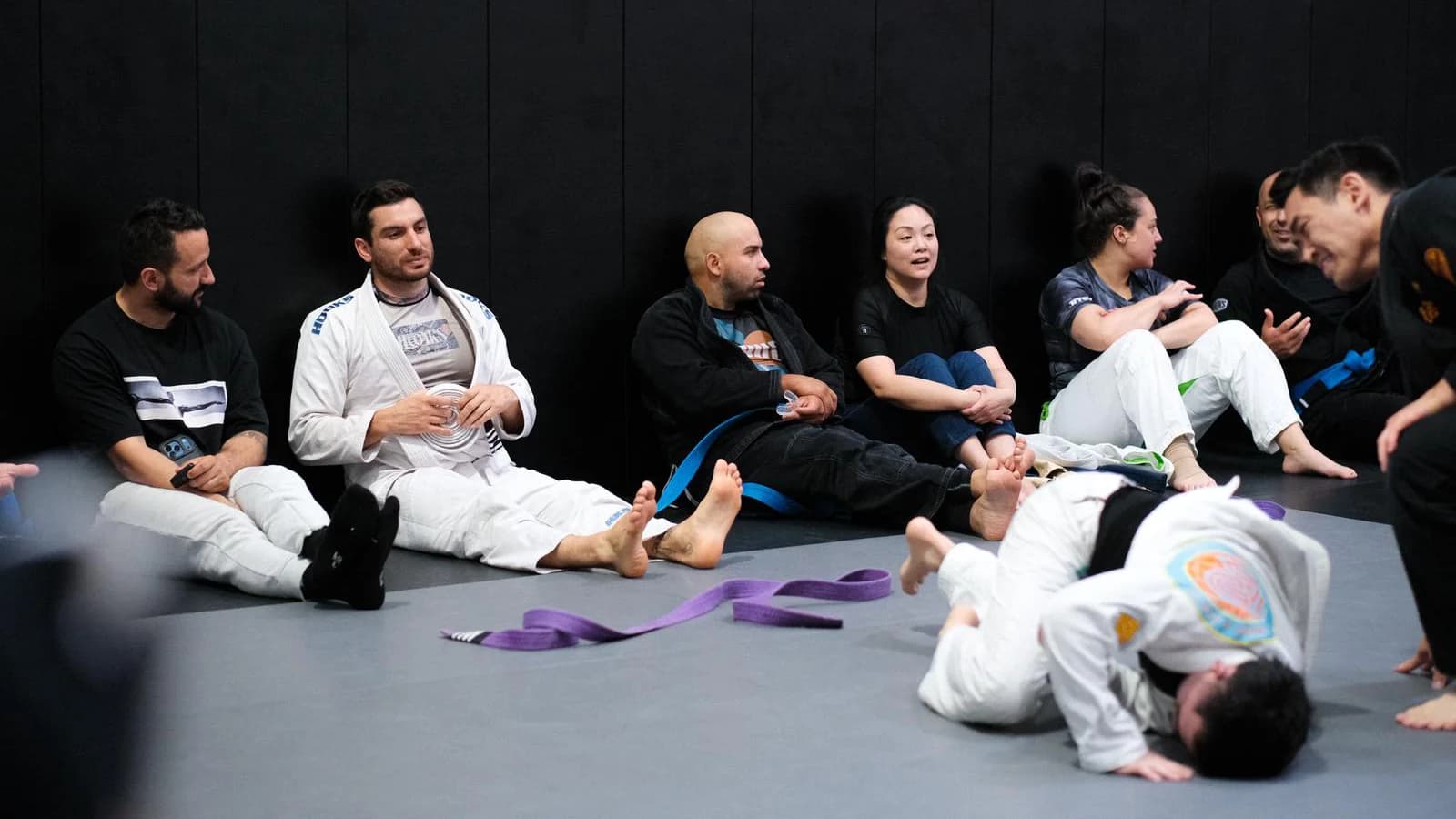
Explore how martial arts like BJJ and Muay Thai improve mental health, reduce anxiety, and build resilience. Evidence-based benefits for your mind and body.
21 October 2025