

The Mental Health Benefits of Martial Arts Training
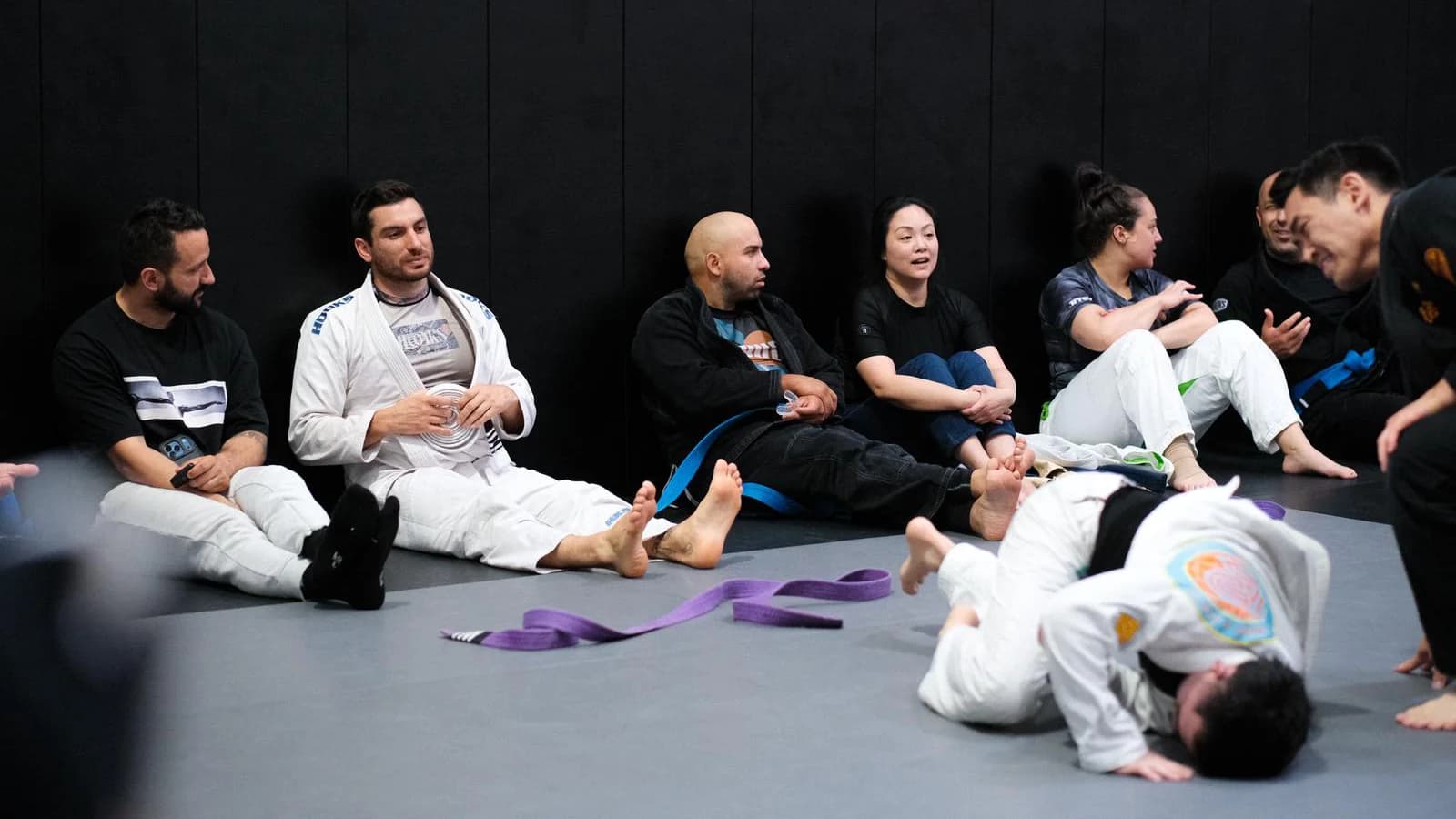
The physical benefits of martial arts training are well documented — improved fitness, strength, flexibility, and coordination. But for many practitioners, the most profound changes happen between the ears. Martial arts training offers a unique combination of physical exertion, mental engagement, social connection, and personal growth that makes it one of the most effective activities for supporting mental health.
The Science of Exercise and Mental Health
Before looking at what makes martial arts special, it's worth noting that any regular exercise improves mental health. Physical activity triggers the release of endorphins, serotonin, and dopamine — neurochemicals that elevate mood, reduce anxiety, and improve sleep quality. The evidence is so strong that many health professionals now recommend exercise as a front-line intervention for mild to moderate depression and anxiety.
Martial arts deliver all these baseline exercise benefits. But they also offer something more.
Forced Mindfulness
Mindfulness — the practice of being fully present in the current moment — has become a mainstream approach to managing stress and anxiety. The challenge is that traditional mindfulness meditation requires discipline and practice, and many people struggle to quiet their minds while sitting still.
Martial arts create a state of forced mindfulness. When you're sparring in BJJ, your full attention is required to defend submissions, maintain position, and plan your next move. When you're hitting pads in Muay Thai, your focus is entirely on the combination your coach is calling. There is simply no mental bandwidth left for worrying about work deadlines or relationship problems.
This involuntary presence is profoundly therapeutic. Regular practitioners often describe their training sessions as the only time during the week when their mind is completely quiet. Over time, this practice of being present extends beyond the gym, helping practitioners manage rumination and overthinking in daily life.
Building Resilience Through Controlled Adversity
Mental resilience — the ability to recover from setbacks and adapt to difficulty — isn't something you can develop by avoiding challenges. It requires exposure to manageable stress, recovery, and gradual adaptation. Martial arts provide exactly this.
Every training session involves moments of discomfort, frustration, and challenge. You get submitted, you get hit with a combination you didn't see coming, you gas out in the third round. And then you recover, reflect, and come back to try again. This cycle of challenge and recovery, repeated hundreds of times, builds a deep-seated resilience that transfers to every area of life.
Research has shown that people who regularly face and overcome physical challenges develop greater psychological resilience. They cope better with stress, bounce back faster from setbacks, and maintain perspective during difficult times.
Self-Efficacy and Confidence
Self-efficacy — the belief in your ability to handle challenges — is a core component of mental wellbeing. Low self-efficacy is associated with anxiety, depression, and avoidance behaviour. Martial arts systematically build self-efficacy through progressive skill development.
When you learn to execute a technique that seemed impossible a month ago, when you successfully defend against someone larger and stronger, when you earn a promotion through consistent effort — each of these experiences reinforces your belief in your own capability. This isn't abstract self-affirmation; it's evidence-based confidence built through genuine achievement.
Social Connection and Belonging
Loneliness and social isolation are increasingly recognised as significant mental health risk factors. A martial arts gym provides something that's increasingly rare in modern life: a genuine community.
The bonds formed through training are unique. You trust your training partners with your physical safety. You share in each other's struggles and successes. You see the same faces multiple times a week in a context that encourages mutual support and respect. At Nakama BJJ, our community is built on the Japanese concept of nakama — companions who share a journey together.
For people dealing with social anxiety, the structured nature of martial arts classes can make social interaction more manageable. You don't need to make small talk; you have a shared activity that provides natural conversation topics and breaks the ice organically.
Emotional Regulation
Martial arts training teaches emotional regulation in a way that few other activities can. You learn to manage frustration when a technique isn't working. You learn to control aggression during sparring, channelling intensity productively rather than destructively. You learn to handle the ego hit of tapping out to a less experienced training partner.
These emotional management skills become habitual. Practitioners often report being calmer and more measured in their responses to stressful situations outside the gym. The ability to "stay in the pocket" — to remain composed under pressure — is a skill developed on the mats that applies directly to workplace conflicts, parenting challenges, and relationship difficulties.
Routine and Structure
For people struggling with their mental health, establishing a regular routine can be transformative. Martial arts classes happen at set times, providing anchor points in the week. The commitment to training creates a structure that combats the aimlessness and lethargy that often accompany depression.
Having a regular training schedule also ensures consistent exposure to physical exercise, social interaction, and personal development — three of the most evidence-based interventions for improving mental health.
It's Not a Replacement for Professional Help
Martial arts training is a powerful complement to professional mental health support, but it's not a substitute. If you're dealing with significant mental health challenges, please seek help from a qualified professional. What martial arts can offer is an ongoing practice that supports your wellbeing and provides a positive framework alongside other forms of care.
Start Your Journey
If you're in Melbourne and looking for an activity that benefits both body and mind, martial arts training at Nakama BJJ in Keilor East may be exactly what you need. We offer BJJ, Muay Thai, and wrestling in a supportive environment with experienced coaches. Book a free trial and discover how training can become a cornerstone of your mental and physical wellbeing.
Ready to Start Your Martial Arts Journey?
Experience world-class BJJ, Muay Thai, and wrestling coaching at Nakama BJJ in Keilor East, Melbourne. Your first class is free — no experience necessary.
Book Your Free TrialRelated Articles
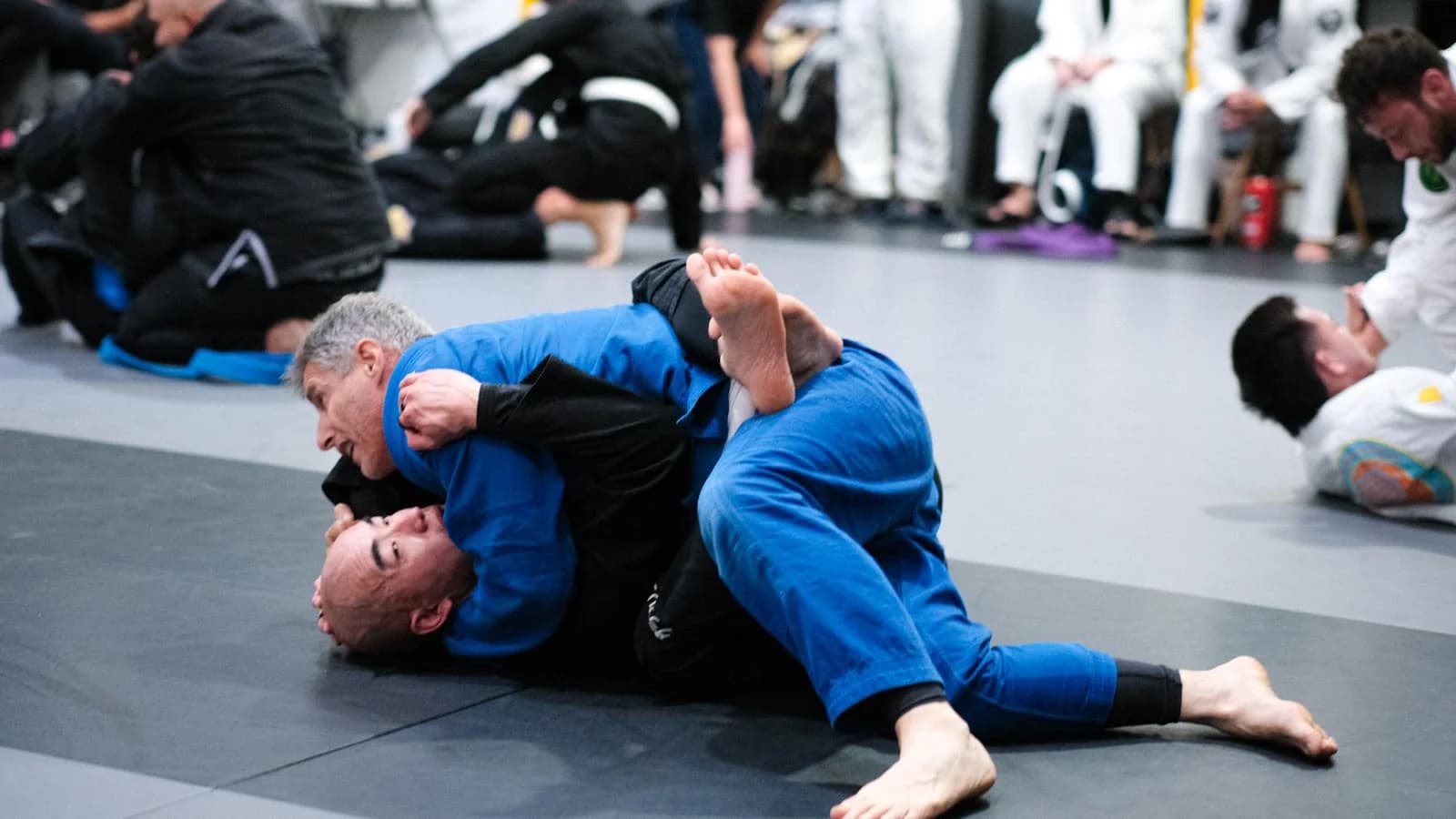
Think you're too old to start martial arts? Discover why your 30s, 40s, and beyond are the perfect time to begin training BJJ, Muay Thai, or wrestling.
4 February 2026
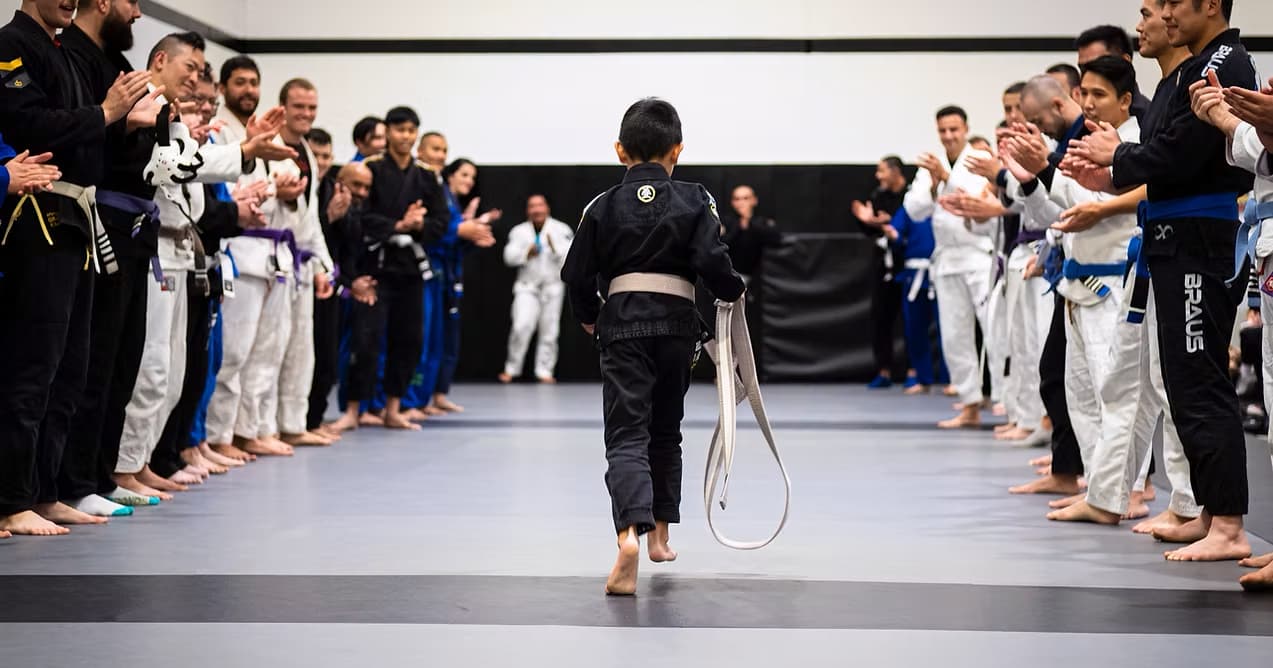
Learn how Brazilian Jiu Jitsu training develops genuine, lasting confidence in children through achievement, resilience, and supportive community.
18 November 2025
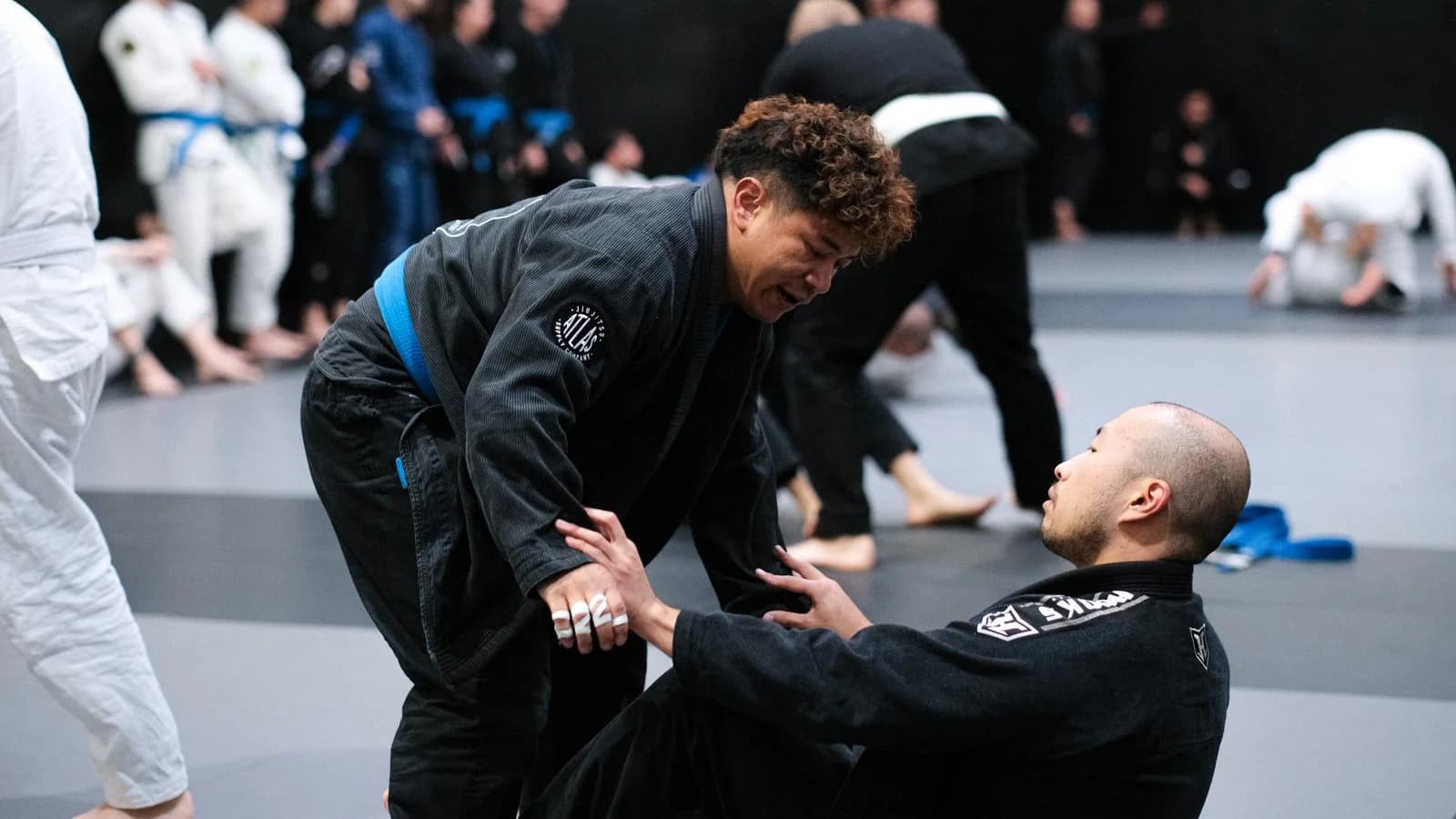
Nervous about your first Brazilian Jiu Jitsu class? Here's everything you need to know before stepping on the mats at a Melbourne BJJ gym.
22 September 2025